April 3, 2026
Understanding when auto glass repair is necessary can save you time, money, and enhance the safety of your vehicle. Auto glass serves as more than just a protective shield from the elements; it is integral to your vehicle's overall structural integrity. Having a clear understanding of the situations that necessitate auto glass repair ensures you don't overlook potentially dangerous damage. In this article, we will explore various instances that demand attention, from visible chips to technological advancements. By the end, you will be well-equipped with the knowledge to maintain a safe driving experience.
Visible Chips and Cracks
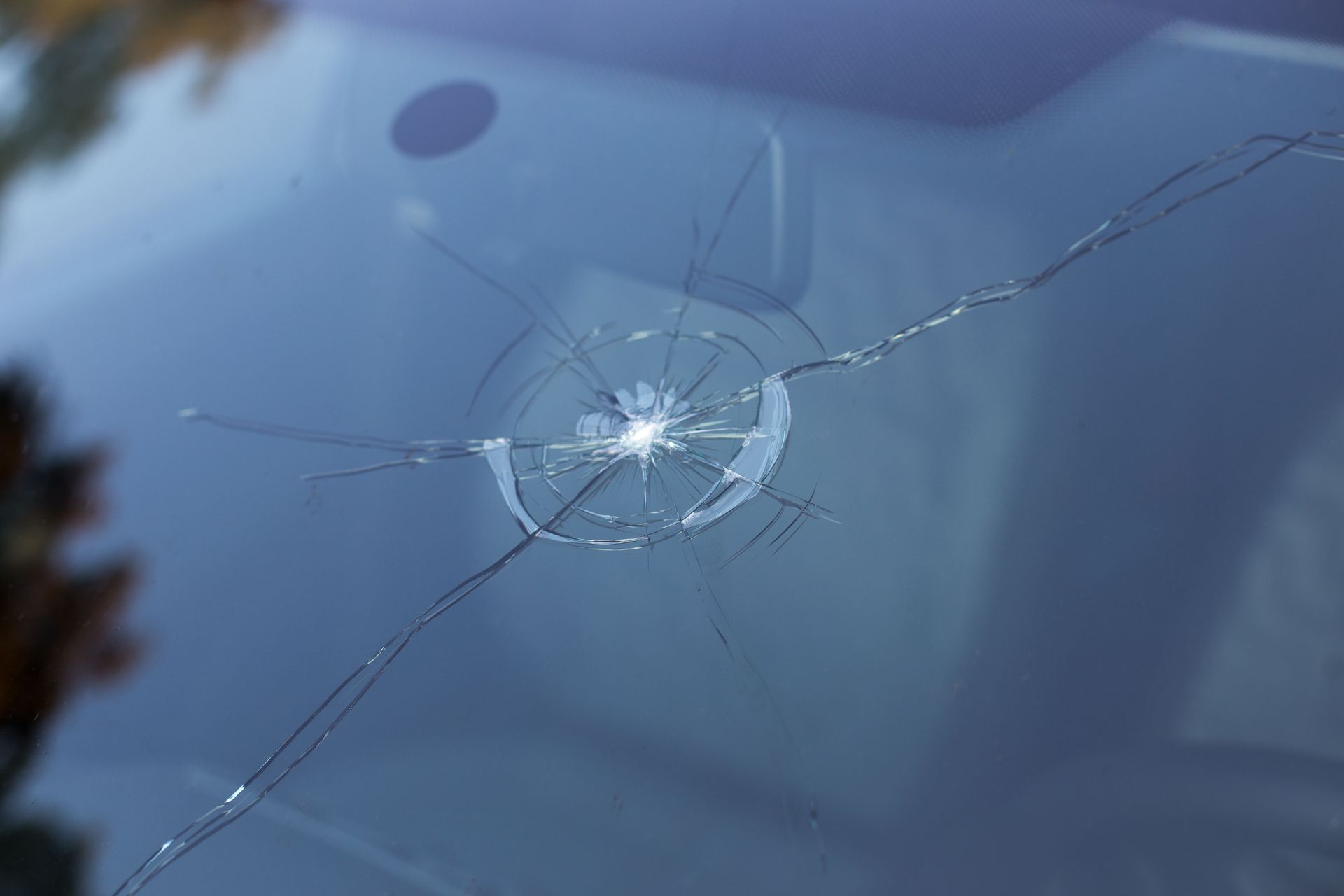
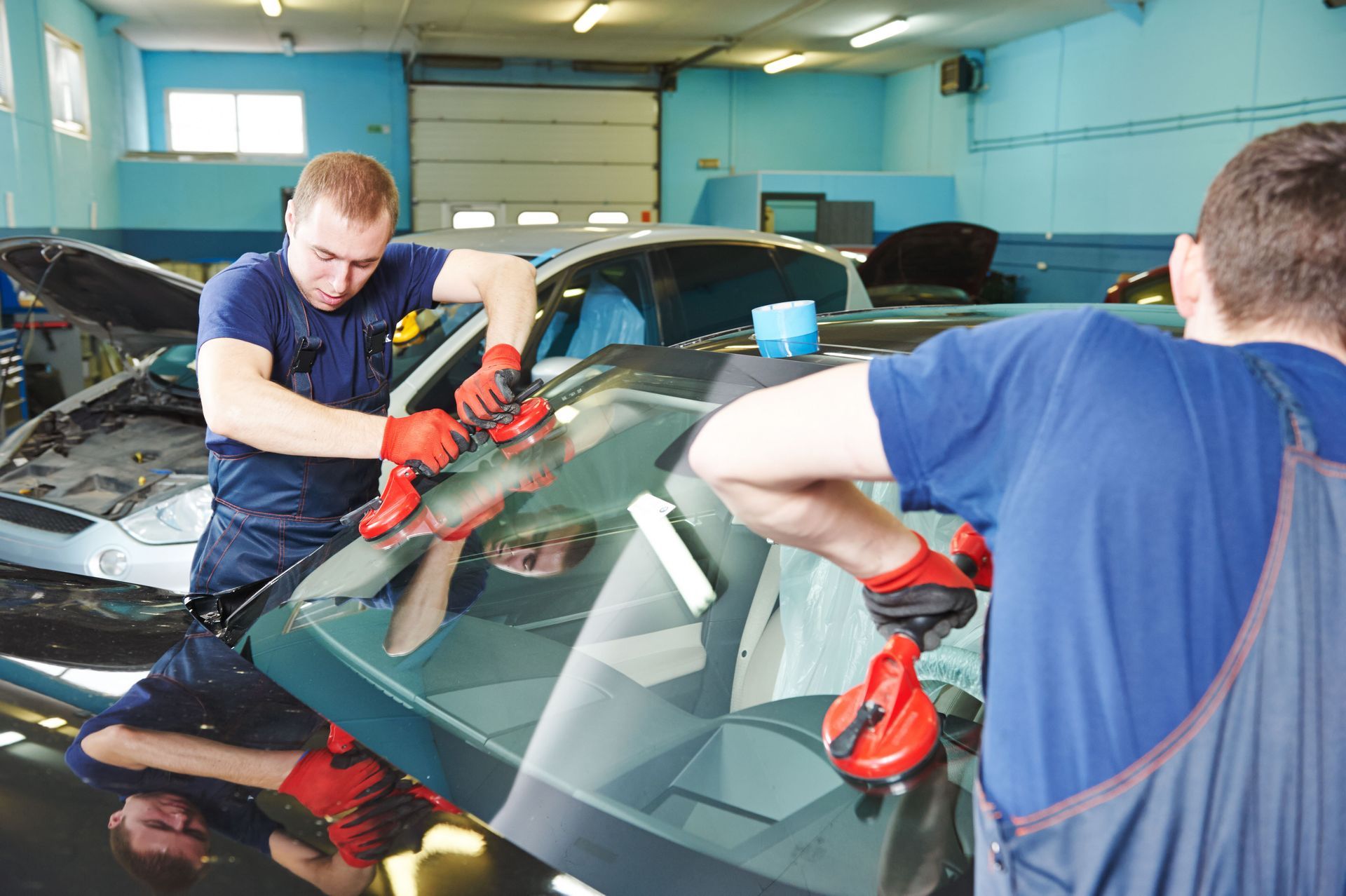
Small chips and cracks in your auto glass might seem harmless, but they require immediate attention to prevent further complications. Minor damages can often be effectively repaired using specialized resins that fill and seal the defect. However, when these damages exceed the size of a dollar bill or are located in critical viewing areas, they often necessitate a full windshield replacement. A timely assessment by a professional can determine whether repair or replacement is the more suitable course of action. Addressing these issues promptly ensures that safety and visibility are not compromised.
The nature of glass means that chips and cracks are likely to grow over time due to various factors, including temperature changes and regular vibrations from driving. Expansion of these imperfections is accelerated during extreme temperature shifts, where sudden contraction or expansion of the glass exacerbates the damage. Consequently, a small chip could develop into a spiderweb of cracks, endangering the integrity of the entire windshield. If ignored, this could lead to more extensive – and more expensive – repairs or replacements. Thus, early diagnosis and intervention are vital to managing auto glass health.
Even minor cracks or chips can significantly impair your visibility while driving, posing a serious safety risk. When fissures reflect light or obstruct your line of sight, they can distract and endanger both the driver and other road users. Especially during challenging weather conditions like rain or snow, these distortions can exacerbate visibility issues. Regular inspection and maintenance of your windshield ensures that these minor defects do not escalate into hazardous distractions. Prioritizing clear and unobstructed vision is non-negotiable for safe driving.
Many jurisdictions have laws that prohibit driving with severely damaged windshields, recognizing them as a significant risk to both individuals and communities. Penalties for ignoring these regulations can range from fines to points on your driver's license, depending on the severity of the damage and state laws. This reflects the critical importance of maintaining the integrity and transparency of your vehicle's auto glass. Compliance with these regulations is not just a matter of law but also a crucial aspect of road safety and responsible vehicle ownership. Staying informed about local rules can help avoid unnecessary legal troubles.
Damage From Road Debris
Every day, vehicles on the road are susceptible to impacts from debris such as rocks, gravel, and even loose parts from other vehicles. These objects, propelled at high speeds, can easily strike and chip or crack windshields. The damage may vary from minor cosmetic imperfections to significant structural threats requiring immediate attention. Notably, the material composition and speed at which the debris makes contact play significant roles in the severity of the damage. Vigilant awareness of driving conditions and surroundings can often help mitigate these risks.
Different driving environments present varying levels of exposure to road debris. On highways, vehicles travel at much higher speeds, which increases the impact force of debris and can lead to more severe windshield damage. In contrast, city driving involves lower speeds but can present its own hazards in the form of close proximity to construction activities and other vehicles. Consequently, drivers must adjust both their vigilance and protective measures based on their primary driving environment. Such adaptations might also include altering driving habits to reduce risks where possible.
The timing of auto glass repairs after damage is crucial in preventing further complications. Prompt attention to chips and cracks prevents them from spreading, keeping repair costs less compared to the expenses involved once they expand. Immediate repairs are especially important following exposure to severe conditions, such as roadwork areas or after incidents where noticeable impacts have occurred. Quick responses are instrumental in maintaining not only windshield integrity but also overall vehicle safety. Additionally, insurers often favor prompt repairs, potentially expediting claims processes.
Weather-Induced Damage
Extreme temperature changes can pose substantial threats to the integrity of auto glass. Rapid expansion and contraction, influenced by heat or cold, often exacerbate existing chips or create new cracks. Over time, this can lead to significant weakening of the glass structure, making it imperative to monitor and address any weather-related impacts quickly. Protection measures such as parking in shaded areas or using reflective sun shields can mitigate these conditions. Regular inspections after significant temperature shifts provide an opportunity to detect early signs of damage.
Hailstorms are notorious for their potential to cause substantial damage to auto glass. According to Forbes, a severe thunderstorm can drop hail that's between a quarter and a golf ball in size with falling speeds between 25 and 40 miles per hour, which can chip, crack, and break your windshield. These storms can strike unexpectedly, leaving many drivers with little time to remove their vehicles from harm. Repair professionals often see significant influxes of cases following these events, illustrating the widespread damage potential. Awareness of weather forecasts and appropriate shelter preparations are crucial pre-emptive actions against hail-induced damage.
Certain climates accentuate the likelihood of auto glass damage due to their environmental conditions. Regions prone to frequent storms or heavy snowfall typically see higher incidences of glass damage compared to milder climates. Temperature fluctuations, coupled with environmental factors like humidity or aridity, can pressure windshields differently. This results in unique regional risk profiles that drivers must adapt to by employing suitable preventive measures. Such adaptations may involve material enhancements or alterations to usual maintenance routines.
Structural Integrity Concerns
Beyond being a protective barrier, windshields contribute significantly to the structural integrity of a vehicle. According to our professionals, they provide up to 30% of the structural strength during a front-end collision and assist in reinforcing the roof in a rollover. Therefore, maintaining an uncompromised windshield is critical to ensuring maximum protection during accidents. Damage to the windshield risks reducing this strength, potentially increasing the severity of injuries during collisions. Awareness and maintenance of this structural role underline the windshield's vital importance in overall vehicle safety.
The effectiveness of airbags, crucial safety features in modern vehicles, is intertwined with the health of the windshield. During a collision, airbags often deploy towards and rely upon the windshield to support their proper positioning. A compromised windshield can lead to improper deployment, reducing the utility of this essential safety feature. Keeping the windshield in pristine condition ensures that all safety systems in a vehicle function as designed. Proactive auto glass repairs and replacements directly impact the effectiveness of airbag deployment.
Cracks or improper seals around the windshield can often lead to water leaks, which can cause significant interior damage. Lingering moisture can promote mold growth and result in foul odors, making the driving experience unpleasant. These leaks can sometimes be found around older installations or after a subpar repair service. Insist on quality sealing and installation practices to prevent these issues from developing. Regular inspection during rainy periods can help identify and rectify leaks before major damage occurs.
Repairing auto glass promptly is essential for maintaining vehicle safety and structural integrity.
Understanding when repairs are necessary and leveraging the latest technologies can ensure your vehicle remains safe and road-ready. Whether dealing with visible chips, environmental elements, or emerging innovations, staying informed empowers drivers to take decisive and effective action. Proactive repairs enhance your vehicle's reliability, guaranteeing both your safety and that of those with whom you share the road. Consciously engaging with qualified professionals fosters a secure and well-maintained automotive experience. For a professional auto glass repair service you can count on, contact S&S Auto Glass today.