September 29, 2026
Imagine driving down the highway, enjoying a beautiful sunny day and listening to your favorite podcast, when suddenly — smack! A stray rock kicked up by the tires of a semi-truck in the next lane strikes your windshield, leaving a noticeable chip directly in your line of sight. It is a frustrating and incredibly common scenario that millions of drivers face every single year. Your immediate reaction might be a mixture of annoyance and worry about the impending cost of fixing the damage. However, the most critical question you need to ask yourself is whether that minor, star-shaped blemish is something a technician can easily fix, or if it indicates that you are going to need a complete auto glass replacement.
Ignoring windshield damage is never a good idea. A small chip can quickly spread into a massive, unmanageable crack due to temperature fluctuations, road vibrations, or even just slamming your car door too hard. To help you make the best, safest, and most cost-effective decision for your vehicle, we have put together this comprehensive guide on how to evaluate windshield damage.
Evaluating the Damage on Your Windshield
When assessing whether your windshield can be saved or if it needs to be completely swapped out, professionals look at these primary factors: the size of the damage, the depth of the damage, and the location of the damage. Understanding how these elements interact is the first step in diagnosing your windshield's structural health.
Modern windshields are highly engineered pieces of safety equipment. They are not made from a single pane of fragile glass; rather, they are constructed from layers of tempered glass with a layer of polyvinyl butyral (PVB) plastic laminated in between them. This laminated design is exactly what keeps the glass from shattering inward and showering the cabin with sharp shards during a collision. When a rock hits your windshield, it usually only fractures the outer layer of glass. If the damage penetrates through the outer layer of glass and pierces the inner PVB plastic layer — or reaches the interior layer of glass — the structural integrity of the windshield is deeply compromised, and a simple patch job will no longer suffice.
Identifying Chips and Cracks for Repair
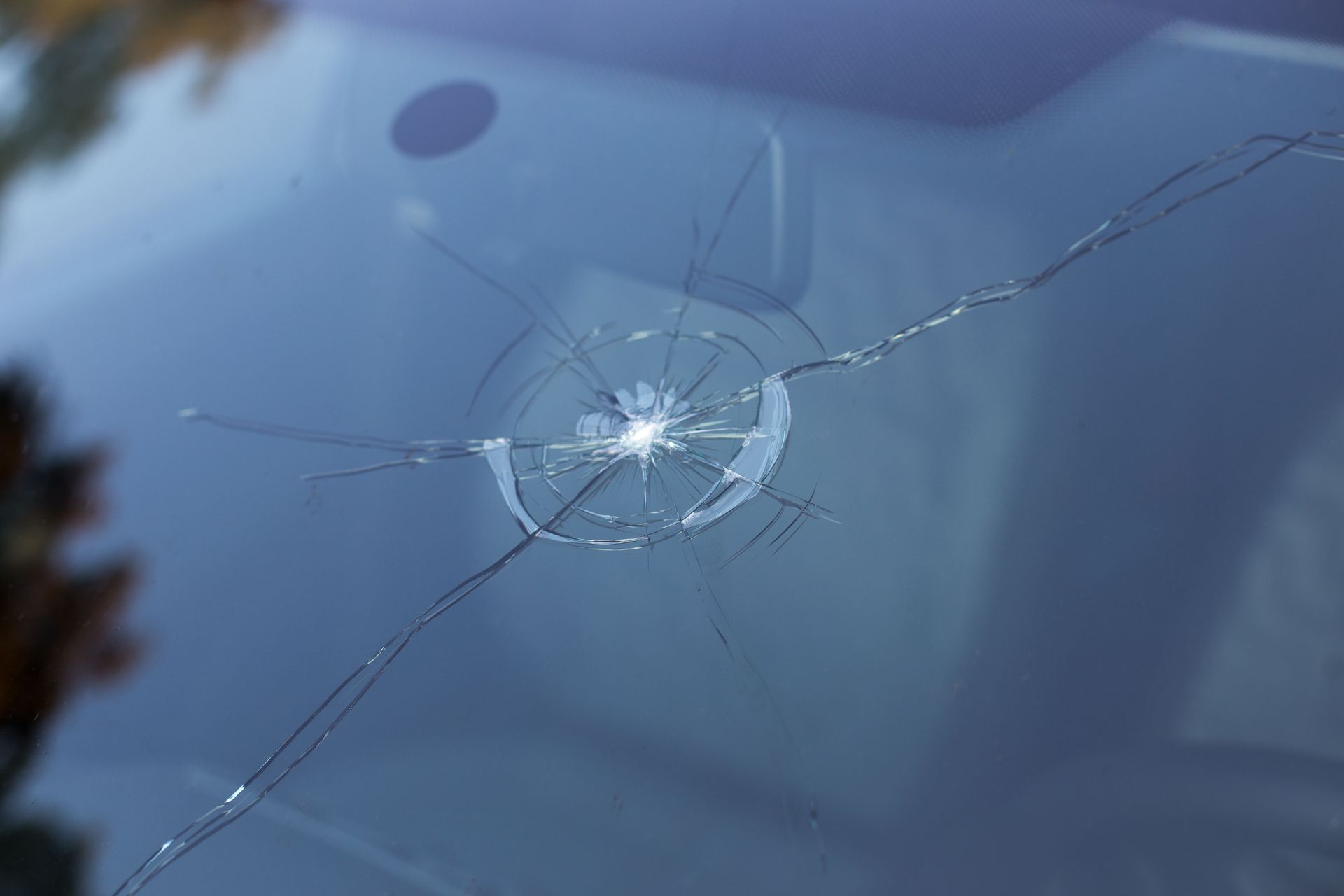
In many cases, minor windshield damage can be repaired quickly and affordably. As a general industry rule of thumb, if the chip or crack is small enough to be completely covered by a quarter, it is highly likely that it can be repaired. Repairable damage typically falls into a few distinct categories, such as bullseyes (a circular break with a pit in the center), star breaks (a series of short cracks radiating outward from the impact point), and half-moons (a partial bullseye).
The repair process is a fascinating and highly effective procedure when performed by a skilled technician. The mechanic will carefully clean the damaged area to remove any microscopic glass dust or debris. Then, they will use a specialized tool to create a vacuum over the chip, sucking out the trapped air. Once the air is removed, a high-quality, optically clear resin is injected directly into the void. This resin is then cured and hardened using an ultraviolet (UV) light. Finally, the surface is polished flat so that it sits flush with the rest of the windshield.
Opting for a repair whenever possible offers several distinct advantages. First and foremost, it is significantly less expensive. Secondly, it allows you to keep the original factory seal around your windshield intact, which guarantees a watertight and airtight fit. Lastly, repairing rather than discarding the glass is an environmentally friendly choice, as it keeps non-recyclable laminated glass out of local landfills.
Recognizing the Need for a Full Replacement
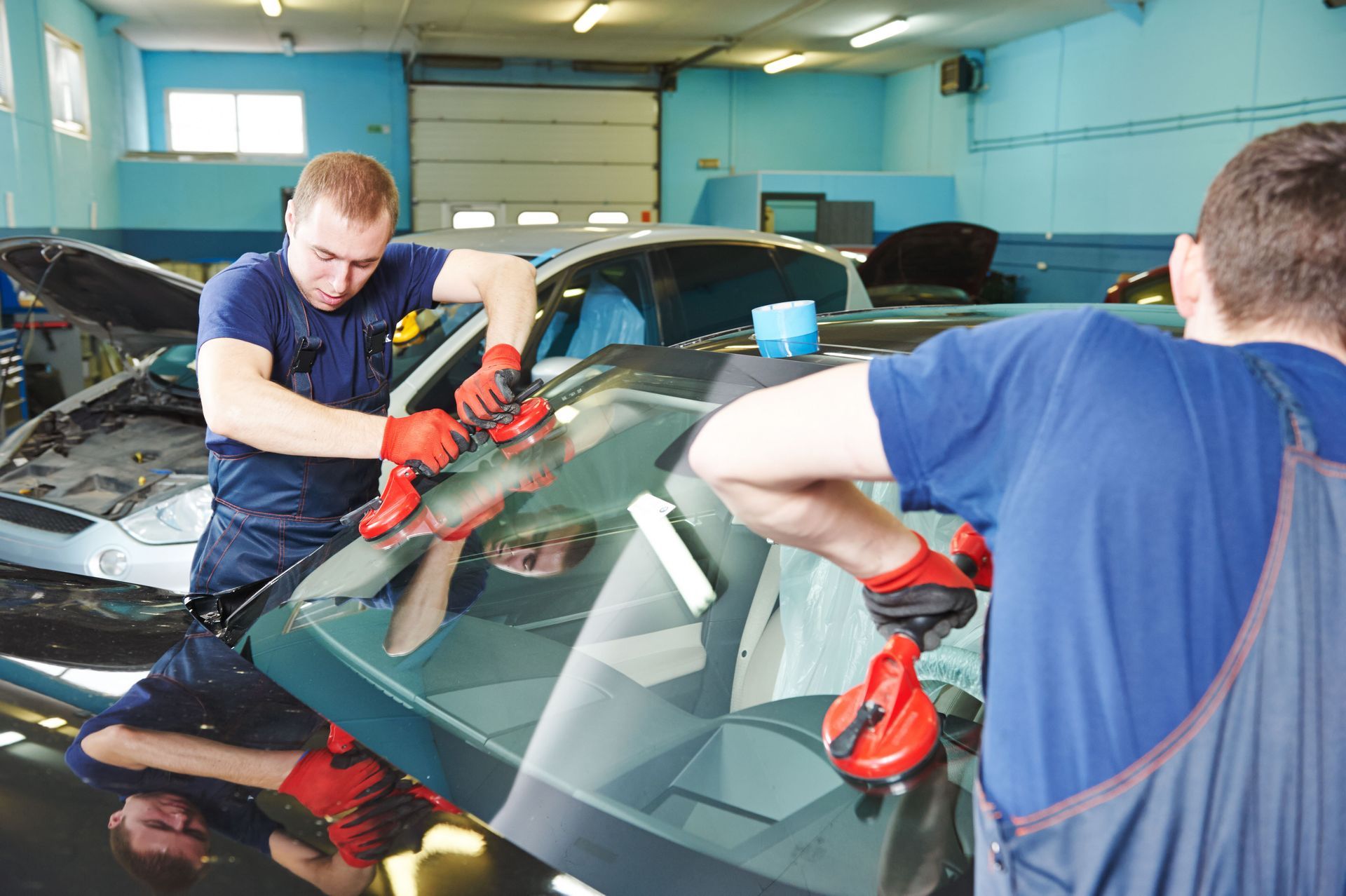
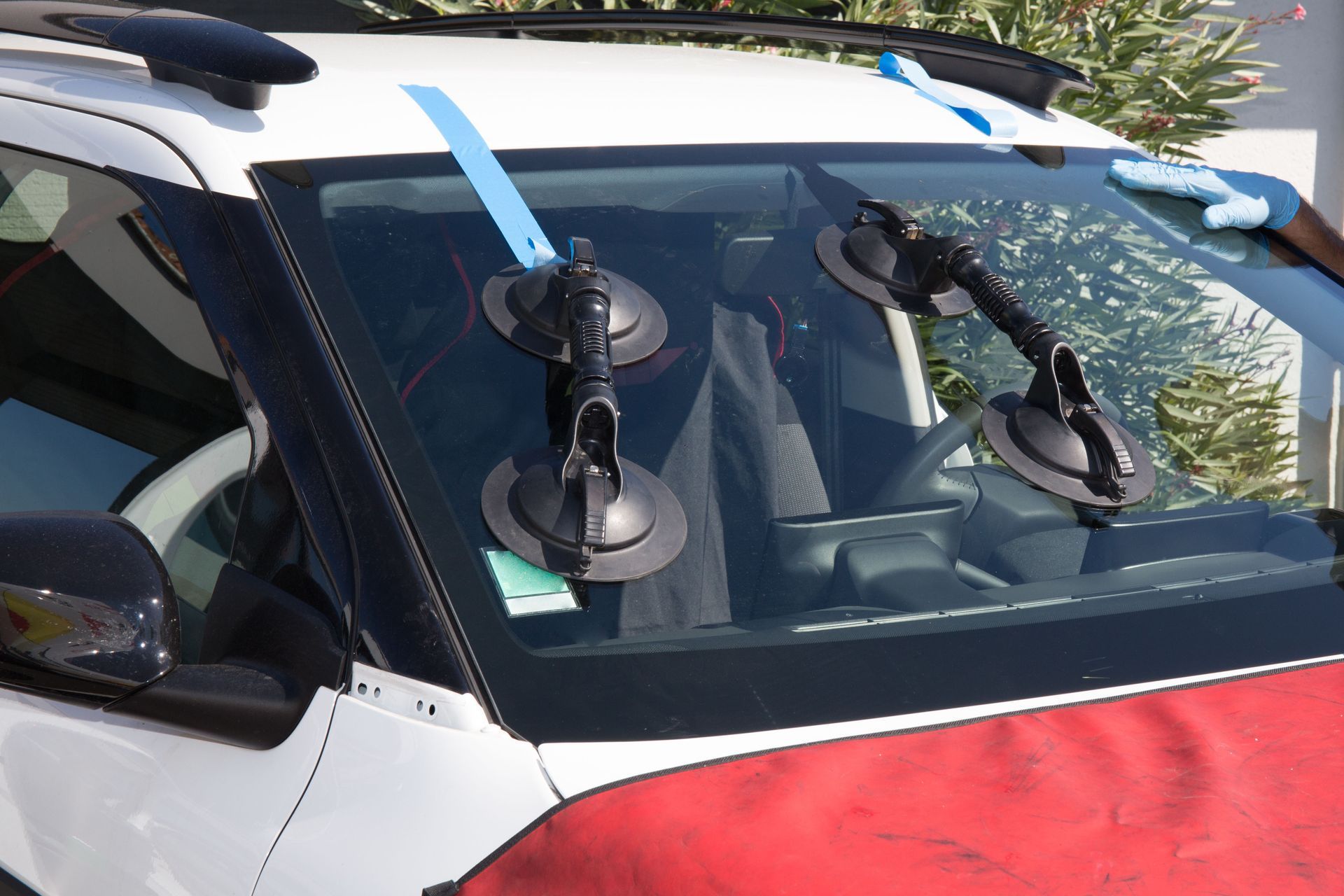
Despite the marvels of modern resin injection technology, there are distinct scenarios where a repair is entirely out of the question. If a crack is longer than a dollar bill, the structural integrity of the glass is usually too compromised to safely hold a resin bond. In these instances, you must proceed with a full auto glass replacement to ensure your vehicle remains safe to operate.
Location is another massive determining factor. If a crack or chip is located directly in the driver’s line of sight, a repair is usually discouraged. Even the best resin repairs can leave a slight distortion or a faint outline in the glass. If this distortion catches the glare of the sun or the headlights of oncoming traffic, it can temporarily blind the driver, creating a severe hazard. Furthermore, if the damage is located at the very edge of the windshield, it is almost always unrepairable. Edge cracks compromise the seal of the windshield and spread incredibly fast due to the structural stress the frame puts on the outer perimeter of the glass.
Additionally, modern vehicles are equipped with Advanced Driver Assistance Systems (ADAS). These systems power crucial safety features like lane departure warnings, automatic emergency braking, and adaptive cruise control. The cameras and sensors for these systems are typically mounted directly behind the windshield, just below the rearview mirror. If a crack runs through the camera's viewing area, getting an auto glass replacement is not just about aesthetics; it is a strict requirement to ensure your vehicle's computer can accurately "see" the road and keep you safe.
Understanding Safety and Structural Integrity
Many drivers view their windshield as nothing more than a transparent shield designed to keep out wind, rain, and bugs. In reality, the windshield is one of the most critical structural components of your entire vehicle. If you are involved in a collision, the strength of your glass could very well be the difference between life and death. According to the Auto Glass Safety Council, your windshield provides up to 60% of your vehicle's structural integrity during a rollover.
In the event of a rollover accident, the windshield acts as a structural pillar that prevents the vehicle's roof from crushing inward and collapsing onto the passengers. If the windshield is weakened by a massive crack, it can shatter entirely, removing that vital support and allowing the roof to cave in.
Furthermore, the windshield serves as the essential backstop for the passenger-side airbag. When an airbag deploys in a fraction of a second, it bounces off the interior of the windshield to cushion the passenger. If the glass is heavily damaged, the explosive force of the airbag can blow the windshield completely out of its frame, leaving the passenger without the cushioning they need to survive the impact. Because of these life-saving functions, investing in a professional auto glass replacement becomes absolutely necessary when your glass is compromised beyond simple repair.
Navigating the Insurance Claims Process
One of the biggest reasons drivers procrastinate on fixing their windshields is the fear of out-of-pocket expenses. However, dealing with windshield damage is often much easier on your wallet than you might expect. Most comprehensive auto insurance policies cover glass damage. In fact, if the damage is small enough to be repaired, many insurance companies will entirely waive your deductible, meaning the repair will cost you absolutely nothing out of pocket. Insurance companies do this because they would much rather pay a small fee for a resin repair today than pay a massive bill for a shattered windshield tomorrow.
If the damage is severe, your comprehensive coverage will typically step in to help cover the costs. While you may have to pay your deductible in this scenario, working with an experienced, customer-focused auto repair shop can make the administrative process completely painless. A reputable shop will communicate directly with your insurance provider, allowing you to handle the claims for your auto glass replacement without spending hours waiting on hold with an insurance adjuster.
Reach out to S&S Auto Glass to have your windshield professionally evaluated, and schedule your auto glass replacement today.